

 Afternoon.jpg
 Saturday.jpg
A city that is easy to live in.
Streets you can walk, long light, healthcare that is a right, and children who grow up fluent in Spanish. Here is what Seville gives a family, and the parts of moving to Spain that are harder than the brochures admit.
The city that lets a family live in Spain.
Most families moving to Spain look at Madrid, Barcelona, Valencia, or the coast first. The ones who choose Seville usually do it for the same six reasons.
A big city you can walk
Seville is Spain’s fourth-largest city, yet daily life fits into a few flat, walkable streets: the school run, the market, the pharmacy, the plaza. In Madrid or Barcelona the same week usually means commuting.
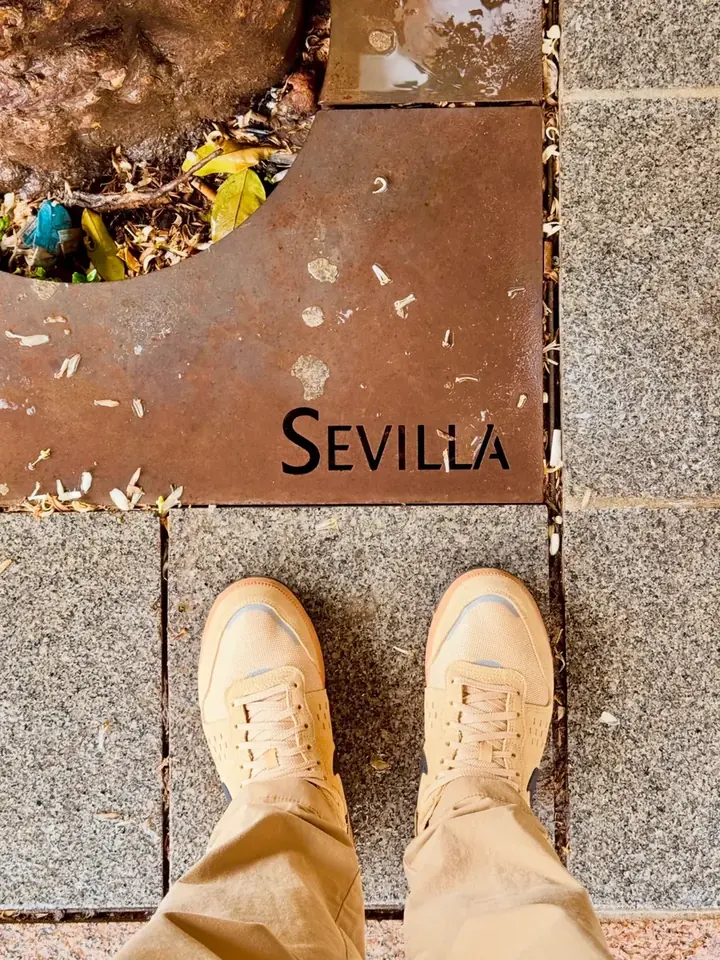
Children learn one language, fully
In Seville, school and daily life run in Spanish, so children become fluent in the one language they will use everywhere in Spain. In regions with a second official language, such as Catalonia or Valencia, every school up to university must also teach it, either as the language of lessons or as a subject.
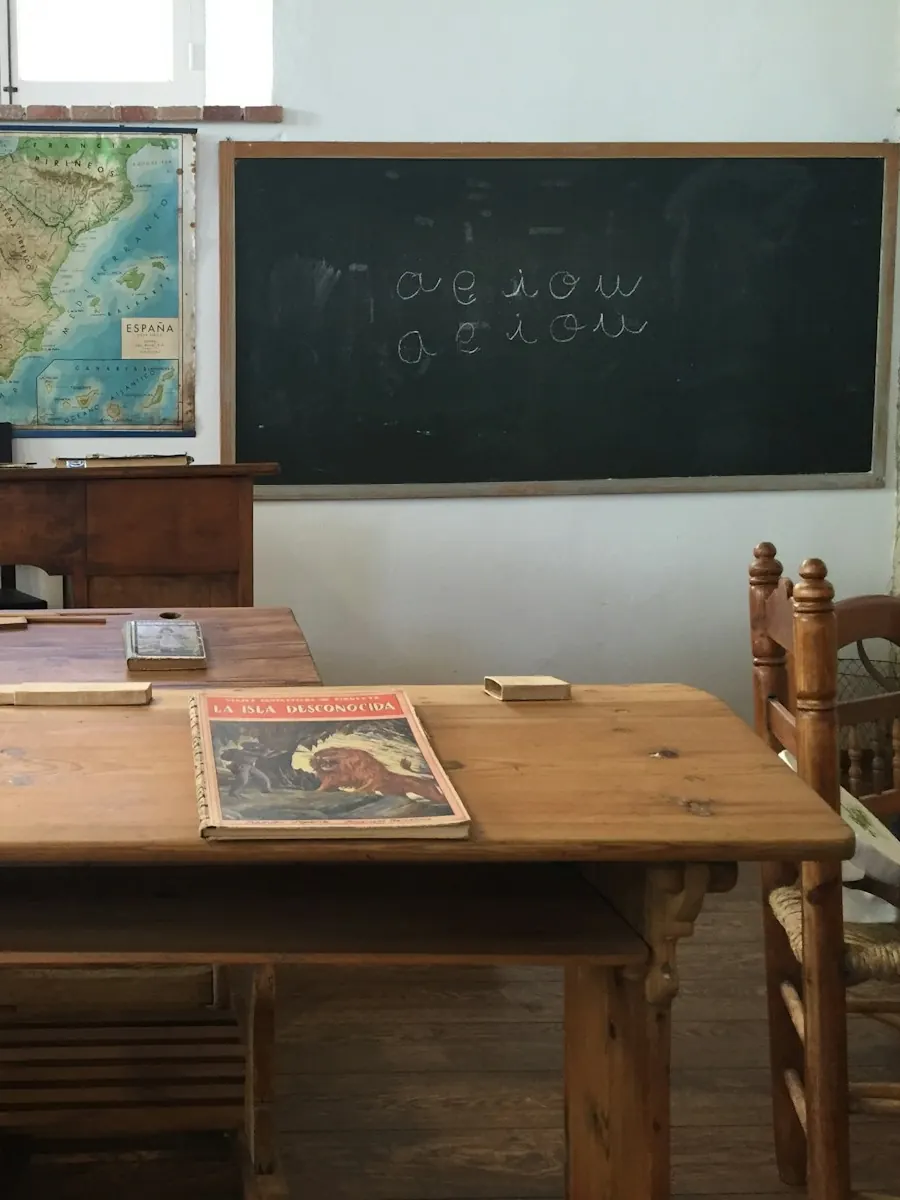
More home for the same budget
Living costs and rents are generally lower than in Madrid or Barcelona, so the same budget usually goes further here.

Childhood happens outdoors
Plazas fill with families every evening and children are welcome in places that would raise eyebrows elsewhere. For a child arriving without the language, a plaza does more in a fortnight than a classroom does in a term.

A winter you can live outside in
Mild, bright winters and long light, where Madrid and Salamanca turn cold. The honest trade is a genuinely hot July and August, which families plan around.

A real city, still undiscovered
An airport, high-speed trains to Madrid, universities, hospitals, and a real range of public, private and international schools, without the crowds of Barcelona or the foreign bubble of the coast. Your children make Spanish friends.

Together that is rare in Spain: a real city your children can walk, grow up fluent in, and belong to, at a cost that leaves room for the home your family needs.
An ordinary day here.
Most of what families love about Seville is not on any list. It is how a normal weekday goes.
 MorningThe walk to school. Most of the city is flat, and most of it is close.
 MiddayErrands on foot: the market, the pharmacy, the bakery on the corner.
- AfternoonA long lunch, and a quieter hour after it, especially in summer.
 EveningThe plaza fills. Children play, parents talk, and nobody hurries home.
 NightDinner outside, later than you are used to, by the river or round the corner.
Four seasons, mostly outside.
Orange blossom, Semana Santa, then the Feria.
Properly hot. The coast is about an hour away.
School starts. Warm, bright days into October.
Mild and sunny. Oranges on the trees, plazas still full.
What is harder about moving to Spain.
None of it is a reason not to come. It is the part we plan with you.
Places are decided once a year, often by points. Miss the window and you take what is left.
Each step needs the one before it. The wrong order costs weeks.
The padrón, explained →July and August are severe. Plan the move around them, and ask about air conditioning.
Your address shapes the school, the commute and how much of life is walkable.
See how that works →The right neighbourhood is part of the plan.
Seville's neighbourhoods are very different places to live, and which one suits you depends on your children's ages and how you want an ordinary day to go.

What Spain gives every family.
And wherever in Spain you settle, some things come with living here.
The public health system covers the people who live and work here. Some visas need private insurance first, so the cover you start with depends on your route.
Thirty days of paid holiday a year is the legal minimum for employees, lunch is a real meal, and evenings are for being out together.
Few people nap now, but the day still slows after lunch. In the south many smaller shops close for a few hours, and the evening starts late.
For families still deciding.
Tell us your dates and your children's ages and we will tell you honestly whether the year you are aiming at is realistic. $49, credited in full against P2, P3, S2, or S3 if you sign within 20 days.
Book a discovery call